 AMOLDE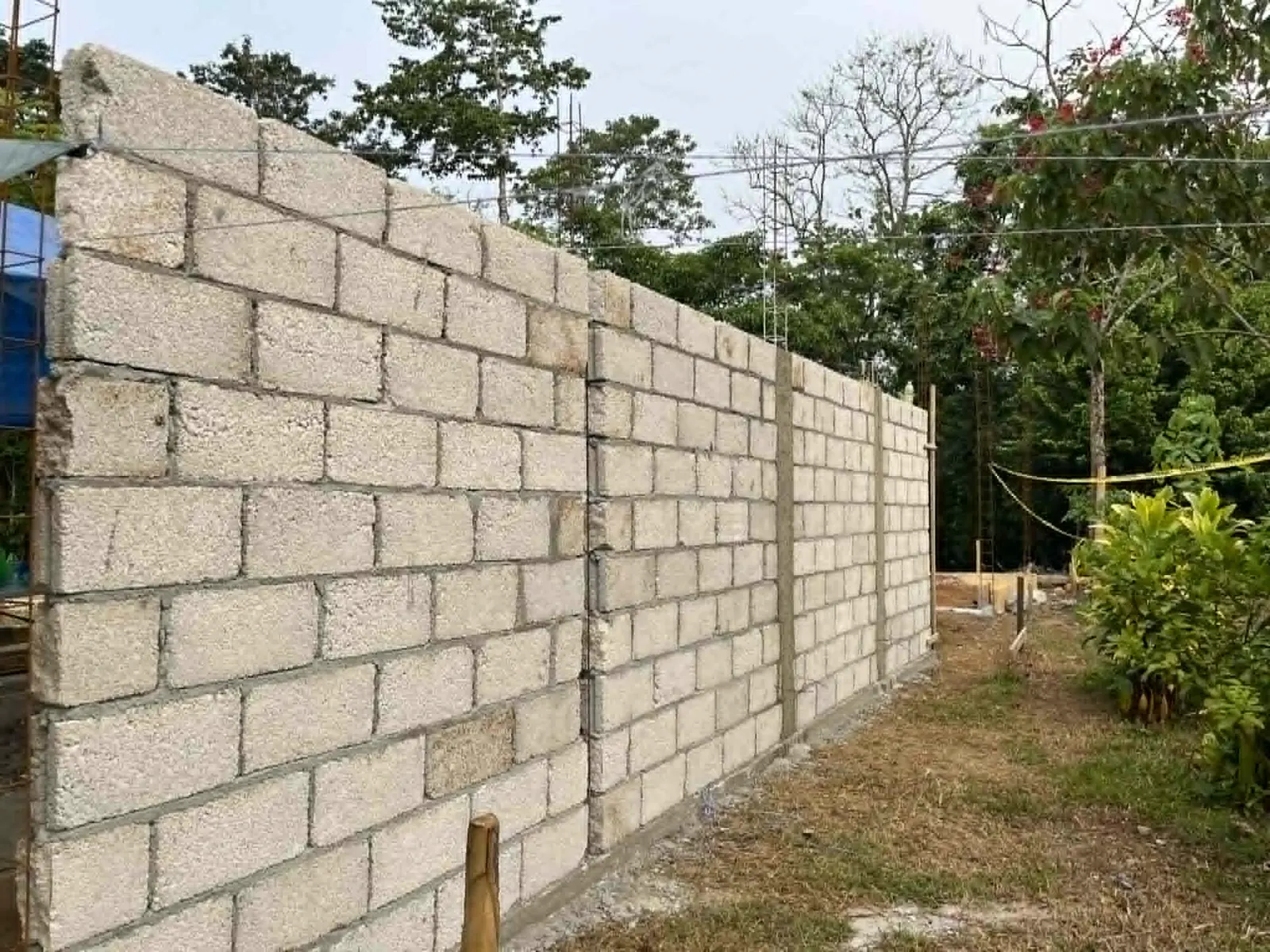
Short answer
Send money for a Mexican build only against finished, verified stages written into a contract, by traceable transfer to the company you contracted. Families lose money when it arrives before the work does, not because of the wire itself.
The families who lose money building in Mexico almost never lose it to a bad wire transfer. They lose it because the money arrived before the work did — sent in lumps to a relative or a maestro de obra 'to have it ready', with no contract, no budget and no evidence. The fix is structural, not financial: a written budget in the contract, the build divided into stages, and each payment released only after the previous stage is finished and verified. Where the money physically travels matters less than the rule that governs when it moves.
What are the three rules?
- Pay against milestones, not the calendar. Site preparation, foundation, structure, slab and walls, finishes, delivery — each stage gets photographed with location data, inspected, and approved by you before the next payment goes out.
- Pay the company you contracted, by traceable transfer, to the account named in the contract. Never cash, never a personal account, never 'send it to my cousin and he'll pay them'.
- Keep the exchange-rate rule in writing. Construction is priced in pesos; your dollars buy more or less month to month. The contract should say who carries that movement and how the rate is fixed for each payment.
Why not just send it to family?
Because it converts a construction problem into a family problem. Even with the most honest relative, money that sits in a personal account gets borrowed against emergencies, and nobody keeps invoices. When the house stalls, there's no contract to enforce and no one to hold responsible without breaking the family. A company you can hold to a contract is easier to fire than a brother-in-law. This is the whole reason AMOLDE exists: you contract in the US, the money goes to the builder against verified stages, and the evidence lands on your phone every week.
How do you send it from a US bank?
International wires from a US bank to a Mexican business account are routine; ask your bank about their fee and the exchange rate they apply, and compare with a specialized transfer service — the spread is where the real cost hides. Keep every transfer receipt matched to a stage in your contract. For your own records and any future sale, a clean paper trail of how the house was paid for is worth more than the small fee difference between providers. Talk to your accountant about how large transfers are reported on the US side; this guide is orientation, not tax advice.
Our contracts are signed with a US company, budgeted in writing, and paid stage by stage against photographed milestones you approve in your portal. See how a build runs before you send a dollar anywhere:
Start with a free checkFrequently asked questions
Should I open a Mexican bank account to fund the build?
You can, but it isn't necessary. Milestone payments can go straight from your US account to the builder's account under the contract. A Mexican account becomes useful later, for utilities and property taxes, and is easier to open as a Mexican national.
What if the builder asks for 50% up front?
A large deposit before any work exists removes your leverage. Reasonable builds start with a small mobilization payment tied to site preparation, then move stage by stage. If a builder insists on half up front with no verifiable milestones, that is your answer about the builder.
How do I know a stage is really finished?
Evidence you didn't take yourself: photos with verified location and date, drone video, and an inspection by an architect who is not the builder. Then you approve the stage. Without independent verification you are paying on trust, which is the thing that went wrong the first time.
Are there limits on how much I can send?
Transfers are legal at any amount; banks report large international transfers as a matter of routine. Keep the contract and receipts so the purpose is documented, and ask a tax professional about any reporting obligations on your side.
General information from the AMOLDE Team — not legal, immigration or tax advice. Consular and municipal requirements vary and change; always confirm with the office that will handle your case. Price ranges are market references; your real quote comes from your land and your project.