 AMOLDE
Short answer
A construction manager is the person on your side of the build: they verify the land, set a written budget, choose and supervise the builder, inspect each stage before it is paid and keep the record. AMOLDE does that for homes in Guadalajara, Puerto Vallarta–Bahía de Banderas, Morelia and Tepic, for owners who live in the United States.
Why does a remote build need a manager?
Because the most common way a build from abroad goes wrong is not a bad builder — it is nobody checking. Payments go out on the builder's word, changes are agreed by phone, and the family finds out what was really built on the next trip. A manager turns that into a process: nothing is paid until someone whose job is verification has checked it, and everything is written down.
What does AMOLDE manage?
- Land: document review and a Land Study with a notary and an architect's site visit before you commit money to the lot.
- Project and budget: an architectural project adapted to the lot and a written construction budget, stage by stage.
- Permits: the municipal construction license, filed before work starts and signed by a registered responsible professional (DRO).
- Builders: construction by builders from AMOLDE's network, vetted for tax and social-security compliance, liability insurance and a registered responsible professional.
- Stage inspections: a checklist for each stage — foundation, structure, slab, installations, finishes — that must be fully passed before that stage can be marked complete and paid.
- Changes: every change order in writing, priced and approved by you before it is built.
- Delivery: walkthrough, final plans and the builder's written warranties (12 months on finishes, 5 years on structure), which AMOLDE requires and manages.
What do you see from the US?
A project dashboard on your phone: a field log where each photo carries the server's time stamp and a location check against your lot, the planned-versus-actual schedule, inspection results for every stage, and what has been paid against what has been built. You can print it as a report for the family.
The dashboard with sample data, exactly as a client sees it:
Open the sample dashboardHow are payments tied to progress?
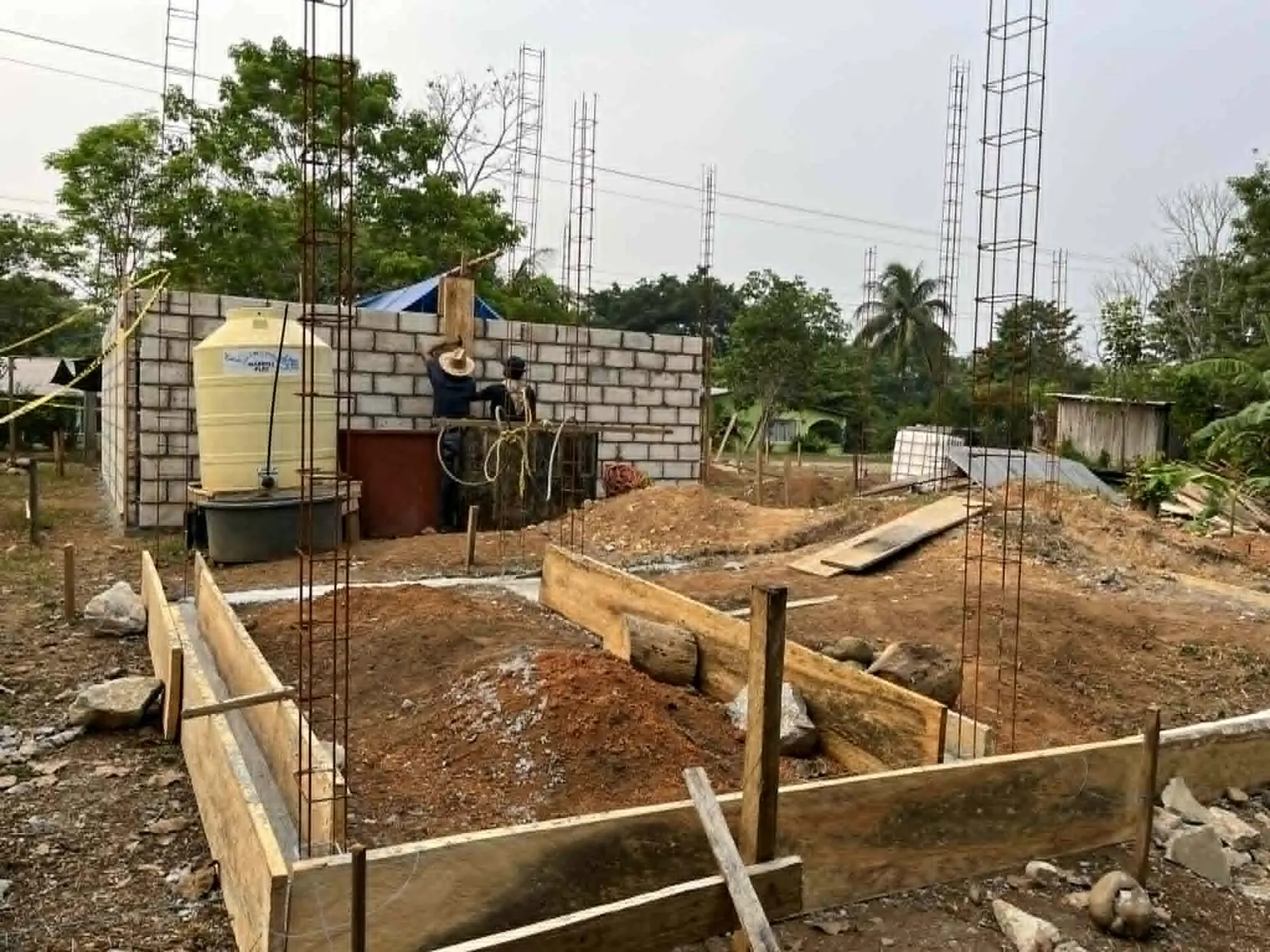
You sign a construction contract with a written budget, and you pay in stages. Each stage — foundation, walls and structure, slab, installations and finishes — is paid only after the previous one is finished, passes an inspection checklist and is documented with photos you can see in your portal. Nothing moves to the next stage because a builder says it is done.
What a construction manager is not
AMOLDE is not a notary, a bank or a real-estate broker, and it does not give legal or tax advice. Title work goes through a notary; questions about immigration, taxes or inheritance go to the right professional. What we do is make sure the build itself is verified, paid in order and documented.
Start with a free check of where your land is and what state its papers are in:
Check my land — freeFrequently asked questions
What does a construction manager do in Mexico?
They represent the owner: verify the land, set the budget, supervise the builder, inspect each stage before it is paid and keep the documentation. For owners who live abroad, they are the eyes on site between trips.
Does AMOLDE do the construction itself?
AMOLDE manages the project. The construction is done by builders from AMOLDE's network under its supervision, and each stage is inspected before it is paid.
What happens if a stage fails inspection?
It is not marked complete and it is not paid. The builder corrects the items that failed, the inspection is repeated, and only then does the stage move forward.
Can I see the work without traveling?
Yes. Dated photos with a location check, stage inspections and the schedule are in your project dashboard, and you can print them as a report for the family.
General information — not legal, immigration or tax advice. Title, permits and costs depend on your lot, the municipality and the notary; your real numbers come from your Land Study and written budget. Updated November 28, 2026.